Why do truck tires of the same size sometimes carry different price tags? When choosing tires, some buyers focus on weight, some compare tread depth, and some place more trust in the mileage promised by manufacturers. Yet a heavier tire is not necessarily more durable, and a deeper tread does not mean it will last longer under every road condition.
For commercial truck tire buyers, the real comparison goes beyond the price of a single tire. It is whether the tire suits actual operating conditions and delivers reasonable costs and consistent performance throughout its service life.
For commercial trucks, the purchase price of a tire is easy to compare. Actual costs, however, also depend on service mileage, maintenance and how often the tire needs to be replaced.
As operating pressures increase across the transport industry, understanding long-term costs becomes even more important. According to the American Transportation Research Institute (ATRI), the average operating cost of a truck rose from approximately USD 1.65 per mile in 2019 to USD 2.336 per mile in 2025. Tire expenses alone increased by 6.4% year on year in 2025.[1] These figures show why fleets need to manage every controllable cost. When buying tires, the question should go beyond “How much does each tire cost?” to “How much does it cost to run each kilometer—or every 10,000 kilometers—under suitable operating conditions?”
A simple way to compare two tires is to calculate: Purchase cost per 10,000 km = Purchase price per tire ÷ Actual service mileage × 1,000:
| Comparison item | Tire A | Tire B |
| Purchase price per tire (hypothetical) | USD 150 | USD 170 |
| Service mileage (hypothetical) | 80,000 km | 100,000 km |
| Purchase cost per kilometer | USD 0.001875 | USD 0.001700 |
| Purchase cost per 10,000 km | USD 18.75 | USD 17.00 |
Note: These figures are for illustration only and do not represent test results for any actual tire brand. Both tires are assumed to be fitted to the same type of vehicle and axle position, carrying similar loads and operating on the same roads.
In this example, Tire B costs USD 20 more per tire, yet its purchase cost per 10,000 km is approximately 9.3% lower.
Of course, this calculation only spreads the purchase price over the mileage traveled. Fuel consumption, repairs, accidental damage and downtime losses must be assessed separately using truck operating records. Without reliable mileage data, a quotation alone cannot show which tire will save more money.
The same tire can deliver different results for different commercial truck owners. Load, tire pressure, road conditions, driving habits and vehicle condition all affect the rate of wear and the risk of damage.
Maintenance is just as important. The U.S. Tire Manufacturers Association (USTMA) identifies proper tire pressure, suitable loads, regular inspections and good vehicle condition as important factors affecting commercial tire safety, performance and service life. The North American Council for Freight Efficiency (NACFE) reports that when all tires on a truck are 10 psi below their target pressure, fuel consumption may increase by approximately 0.5%–1.0%.[2] Even a good tire therefore depends on proper inflation, loading and routine checks.
When deciding which tire offers better value, buyers should ask more than “How long will it last?” They should also consider how far the vehicle travels each year, what roads it uses, how the tires are maintained and how often the vehicle is replaced:
• For high-mileage fleets with good maintenance practices: It is especially important to evaluate long-term tire wear and overall performance. Durable tires designed for longer service life are more likely to deliver long-term cost advantages.
• For fleets with lower annual mileage, shorter vehicle replacement cycles or frequent use on demanding construction roads: The additional service-life potential of some higher-priced products may not be fully realized during the actual period of use. Tires suited to local roads, with reliable damage resistance and reasonable pricing, can be a more practical choice.
To make a reliable decision, buyers should look beyond unit price and compare the following six areas:
| Comparison area | What to verify |
| Basic suitability | Tire size, load index, speed rating, intended axle position and road conditions |
| Product design | Tread pattern, original tread depth, tire weight and manufacturer technical specifications |
| Performance evidence | Relevant tests, quality control and real-world user feedback |
| Regulatory compliance | Local market entry and safety requirements, including the exact sizes, models and scope covered by each certificate |
| Overall cost | Landed price, relevant freight and taxes, expected replacement frequency and lead time |
| After-sales support | Warranty terms, claim procedures and technical guidance |
Certification shows that a product meets the specific requirements of the applicable regulation or standard. It does not, by itself, prove that a tire will achieve a particular mileage under every road condition.
When buying from a brand for the first time, a small trial fitment and ongoing records, where feasible, often provide more relevant evidence.
For a meaningful comparison, keep the vehicle type, axle position, load, road conditions and tire pressure as consistent as possible, and record mileage and tread wear to avoid misleading conclusions.
No single tire is the best fit for every operating condition and budget. For high-mileage fleets, the longer service life of premium tires may reduce long-term costs. But for fleets with lower annual mileage or difficult road conditions, the higher purchase price may not be fully recovered. In these cases, the balance between reliable quality, road suitability and reasonable pricing becomes more important.
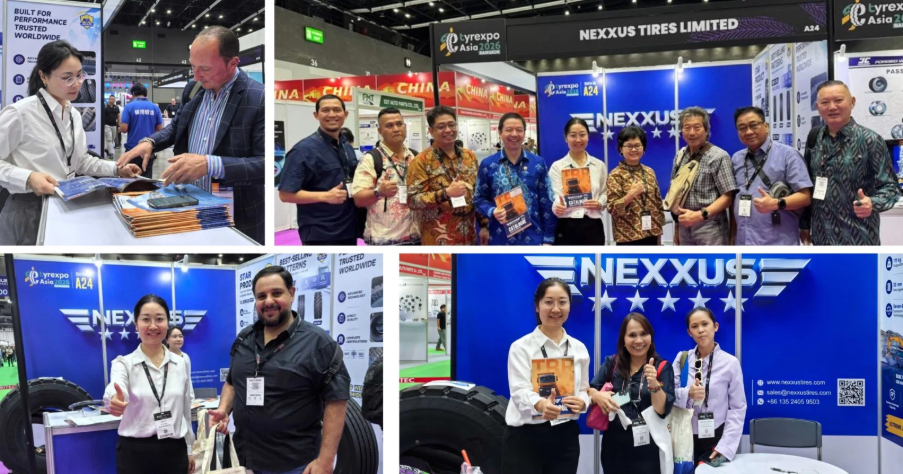
NEXXUS does not aim to offer the lowest prices in the market. Instead, we focus on reliable quality and reasonable pricing for TBR tires. We also provide eligible partners with sample support, product training, marketing assistance and after-sales service. Selected products come with a limited warranty of up to five years, subject to the applicable terms.
A sound tire purchasing decision is not just about comparing prices. It is about finding long-term value that suits real operating conditions. Whether you buy tires for a fleet or distribute them locally, tell us your target sizes, axle positions, main road conditions and budget, and we will help you select suitable products.
References and Data Sources
[1] ATRI · 2020 announcement: average operating cost in 2019, approximately USD 1.65/mile; 2025 announcement: average operating cost in 2024, USD 2.260/mile.
[2] NACFE · Tire Pressure Systems (2020, research summary, p. 2): tire pressure and fuel consumption.
[3] NEXXUS · Partner Commitment: training, after-sales service and partner support policies.
 Technology
 Technology
 Technology
 Technology
 Technology
 Technology
 Technology
 Technology

English

French

Lao

Mongolian

Spanish

Vietnamese
Fill out the form below and a member of our team will get back to you promptly.

Whether you're a distributor, fleet operator, or OEM partner, we'd love to discuss how NEXXUS can deliver value to your business. Get in touch with our global sales team today.